Gandom: Meaning, Benefits, Cultivation and Why Wheat is Called Gandom in 2026
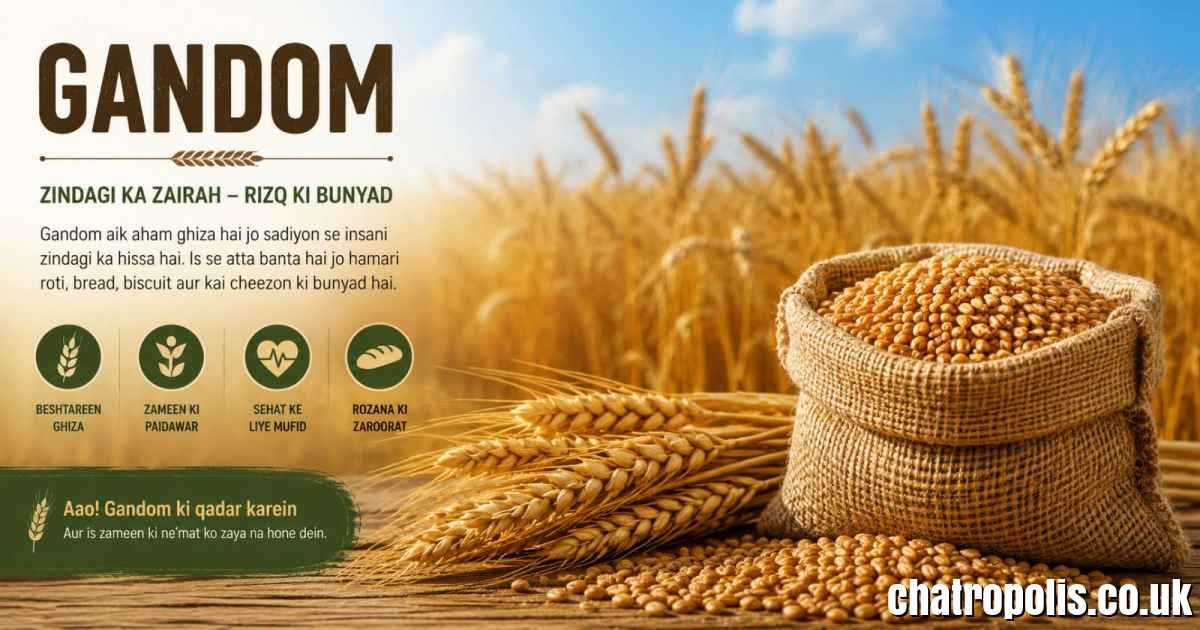
Gandom (گندم) is much more than just another word for wheat. In Persian, Urdu, and Dari, Gandom refers to one of the world’s most important cereal crops, a grain that has sustained civilizations for thousands of years. In 2026, the word has become increasingly popular not only because of its agricultural importance but also due to its cultural heritage, nutritional value, sustainable farming, and modern branding appeal.
From ancient Persian literature to organic food brands, handmade businesses, and even one of the hottest places on Earth known as Gandom Beryan, the word carries rich historical and symbolic meaning. Whether you searched for Gandom meaning, Gandom wheat, Gandom benefits, or why wheat is called Gandom, this complete guide explains everything you need to know.
What Is the Meaning of Gandom?
The word Gandom (گندم) is the Persian word for wheat, and it is widely used across several countries including Iran, Afghanistan, and Tajikistan. In Urdu, the word is commonly written as گندم (Gandum), while in Hindi, the equivalent word is Gehun (गेहूं).
In English dictionaries:
- گندم (Gandum) = Wheat
- Gandom Flour = Wheat Flour
- Gandom Bread = Wheat Bread
Origin and Etymology
Language experts note that گندم is believed to have connections with the Arabic root غَنم (Ghanam), which carries meanings related to benefit, profit, or gain. Over centuries, the word evolved into the name of the wheat plant because wheat has always represented one of humanity’s most valuable and beneficial crops.
For thousands of years, wheat has symbolized:
- Life
- Prosperity
- Growth
- Abundance
- Sustenance
This symbolism explains why the word Gandom continues to appear in poetry, literature, agriculture, and modern branding.
Where Is the Word Gandom Used?
The word remains common across many regions:
- Iran – Daily word for wheat
- Afghanistan – Common agricultural term
- Tajikistan – Used in Persian-speaking communities
- Pakistan – Spoken as Gandum in Urdu
- India – Known as Gehun, while Urdu speakers also use Gandum
Gandom as a Brand Name
In 2026, many businesses have adopted the name Gandom because it communicates ideas such as:
- Natural living
- Authenticity
- Sustainability
- Handmade quality
- Traditional craftsmanship
Organic food companies, artisan bakeries, cafés, and eco-friendly brands frequently use the name because wheat remains one of the strongest symbols of nourishment and tradition.
Gandom Beryan: The Famous Scorched Wheat Desert
One of the most fascinating places carrying this name is Gandom Beryan, located in southeastern Iran.
Gandom Beryan literally means:
“Scorched Wheat” or “Toasted Wheat.”
It is a massive lava plateau covering approximately 480 square kilometers on the edge of the Dasht-e Lut (Lut Desert), around 80 kilometers north of Shahdad.
The area is also known as:
- Gandom-e Beryan
- Rig-e Soukhteh
Why Is It Called Scorched Wheat?
The landscape consists mainly of dark volcanic rock.
Because these black rocks absorb enormous amounts of sunlight, temperatures become extraordinarily high during summer.
Recorded temperatures include:
- Around 65°C in shaded areas
- Close to 100°C on exposed black volcanic rocks
Satellite observations by NASA have identified parts of the Lut Desert as among the hottest places on Earth, with land surface temperatures exceeding 70°C.
The name Scorched Wheat perfectly reflects the dark, burned appearance of the volcanic terrain, which resembles roasted wheat grains scattered across the desert.
Health Benefits of Gandom (Whole Wheat)
Beyond its cultural importance, Gandom is also one of the most nutritious staple foods available.
Nutrition experts recommend whole wheat over refined flour because it contains all parts of the grain:
- Bran
- Germ
- Endosperm
Together, these provide essential nutrients for overall health.
1. Rich Source of Dietary Fiber
Whole Gandom supports healthy digestion by promoting regular bowel movements and helping prevent constipation.
Fiber also contributes to improved gut health.
2. Excellent Plant-Based Protein
Whole wheat typically provides 12–14% protein, making it an important source of plant protein for balanced diets.
3. Packed with Essential Minerals
Gandom naturally contains important minerals including:
- Iron
- Magnesium
- Zinc
- Selenium
These nutrients support energy production, immune function, and overall well-being.
4. Good Source of B Vitamins
Whole wheat contains several B vitamins, including:
- Vitamin B1 (Thiamine)
- Vitamin B3 (Niacin)
- Vitamin B6
These vitamins play important roles in metabolism and nervous system function.
5. Supports Heart Health
Research suggests diets rich in whole grains may help reduce the risk of cardiovascular disease when included as part of an overall balanced diet.
6. Better Blood Sugar Management
Compared with refined white flour, whole wheat generally has a lower glycemic impact, helping support more stable blood sugar levels.
7. Helps With Weight Management
The high fiber content increases feelings of fullness, helping reduce overeating.
Because of these nutritional benefits, wheat remains one of the world’s most widely consumed cereal grains.
Different Types of Gandom Available in 2026
Not all wheat varieties are the same.
Today’s global food industry produces several important types.
Bread Wheat (Common Wheat)
The world’s most widely cultivated wheat.
Used for:
- Bread
- Chapati
- Naan
- Bakery products
Durum Wheat
A hard wheat variety used mainly for:
- Pasta
- Macaroni
- Couscous
- Semolina
It is especially valued for its high protein content.
Whole Wheat
Contains the complete grain with:
- Bran
- Germ
- Endosperm
It remains the healthiest option for everyday consumption.
Emmer and Einkorn
Ancient wheat varieties have become increasingly popular in 2026 because consumers are seeking traditional grains with minimal processing.
Organic Gandom
Organically grown wheat avoids synthetic pesticides and fertilizers.
Demand continues increasing across:
- Iran
- Pakistan
- Europe
- North America
Consumers increasingly prefer organic products because of growing interest in sustainable agriculture.
Cultivation and Harvesting of Gandom
Today, Gandom is cultivated in more than 100 countries, making it one of the world’s largest agricultural crops.
Only maize (corn) generally exceeds wheat in total production.
Growing Season
In South Asia, wheat is primarily a Rabi crop.
Typical schedule:
- Sowing: November–December
- Harvesting: April–May
Ideal Climate
Successful cultivation requires:
- Cool weather during growth
- Warm sunshine during grain ripening
- Temperatures between 15°C and 25°C
Best Soil
Wheat grows best in:
- Fertile loamy soil
- Well-drained land
- Fields rich in organic matter
Water Requirements
Most wheat crops require approximately 4–6 irrigations, depending on rainfall and local climate.
Harvesting
When the crop turns a rich golden-yellow color:
- Farmers harvest the plants.
- Grain is separated through threshing.
- Wheat is cleaned and stored before processing.
Major wheat-producing countries include:
- India
- China
- Russia
- United States
- Iran
Throughout Persian culture, wheat harvest has traditionally symbolized blessings, prosperity, and gratitude.
Many poems and proverbs celebrate the importance of Gandom, including sayings emphasizing that success comes through patience and hard work—just as wheat requires careful cultivation before harvest.
Uses of Gandom in Daily Life and Modern Branding
The usefulness of wheat extends far beyond food production.
Everyday Food Products
Gandom is processed into:
- Atta (Wheat Flour) for chapati, bread, naan, and pita
- Semolina (Suji) for desserts and pasta
- Cracked Wheat (Dalia) for porridge and healthy breakfasts
- Wheat Germ Oil for nutritional supplements and cosmetics
Because of its versatility, wheat forms the foundation of countless cuisines around the world.
Modern Branding Trends
One of the biggest design trends in 2026 is the use of Gandom-inspired branding.
Designers increasingly use wheat imagery to communicate:
- Sustainability
- Organic production
- Simplicity
- Nature
- Purity
- Heritage
Creative platforms like Behance and Instagram showcase numerous branding projects inspired by wheat, combining traditional agricultural symbolism with clean, contemporary design.
Many cafés, bakeries, skincare brands, and artisan businesses choose the name Gandom because it immediately conveys warmth, authenticity, and natural quality.
Why Gandom Matters More Than Ever in 2026
As consumers increasingly prioritize healthy eating, organic agriculture, and environmental sustainability, Gandom has become more relevant than ever. Whole wheat remains a key ingredient in balanced diets, while sustainable farming practices are helping preserve this ancient crop for future generations.
At the same time, the word Gandom continues to bridge cultures, connecting modern branding with thousands of years of agricultural history. Whether discussing nutrition, farming, language, design, or cultural traditions, Gandom represents far more than a simple grain—it symbolizes resilience, prosperity, and the enduring relationship between people and the land.
Final Thoughts
Gandom (گندم) is not simply another word for wheat. It is a symbol of life, nourishment, hard work, prosperity, and cultural heritage that has supported human civilization for more than 10,000 years. Whether you are exploring the extraordinary volcanic landscape of Gandom Beryan, choosing whole organic Gandom for better nutrition, or discovering a modern brand inspired by the timeless symbolism of wheat, you are connecting with one of humanity’s oldest and most meaningful crops.
In 2026, as the world embraces healthier lifestyles, sustainable farming, and environmentally conscious living, Gandom continues to stand as a powerful reminder of the importance of nature, tradition, and wholesome food. Choosing whole wheat Gandom not only supports a nutritious diet but also celebrates the golden grain that has long been known as the “staff of life.”